










PhD in Surgery
Talk one-to-one with a Surgery PhD mentor about admission, funding, your research proposal, the PhD journey and what comes after.
About ScholarsColab: ScholarsColab is a research mentorship platform by Vidhilekha Soft Solutions Pvt Ltd, recognised as a startup by DPIIT, Government of India.
A PhD in Surgery is a research degree in which you produce original work under expert supervision. Whether you are deciding if it is right for you, comparing options, or already part-way through, many questions are easier to answer with someone who has done it. On ScholarsColab you can book a one-to-one online session with a Surgery PhD mentor and talk through anything, from admission and funding to your research proposal and career plans.
Surgery PhD Mentors

Liu Quan
🏢 Department of Neurosurgery, Liuzhou Workers' Hospital
SAKARIE MUSTAFE HIDIG
🏢 Research Center Hargeisa Group Hospital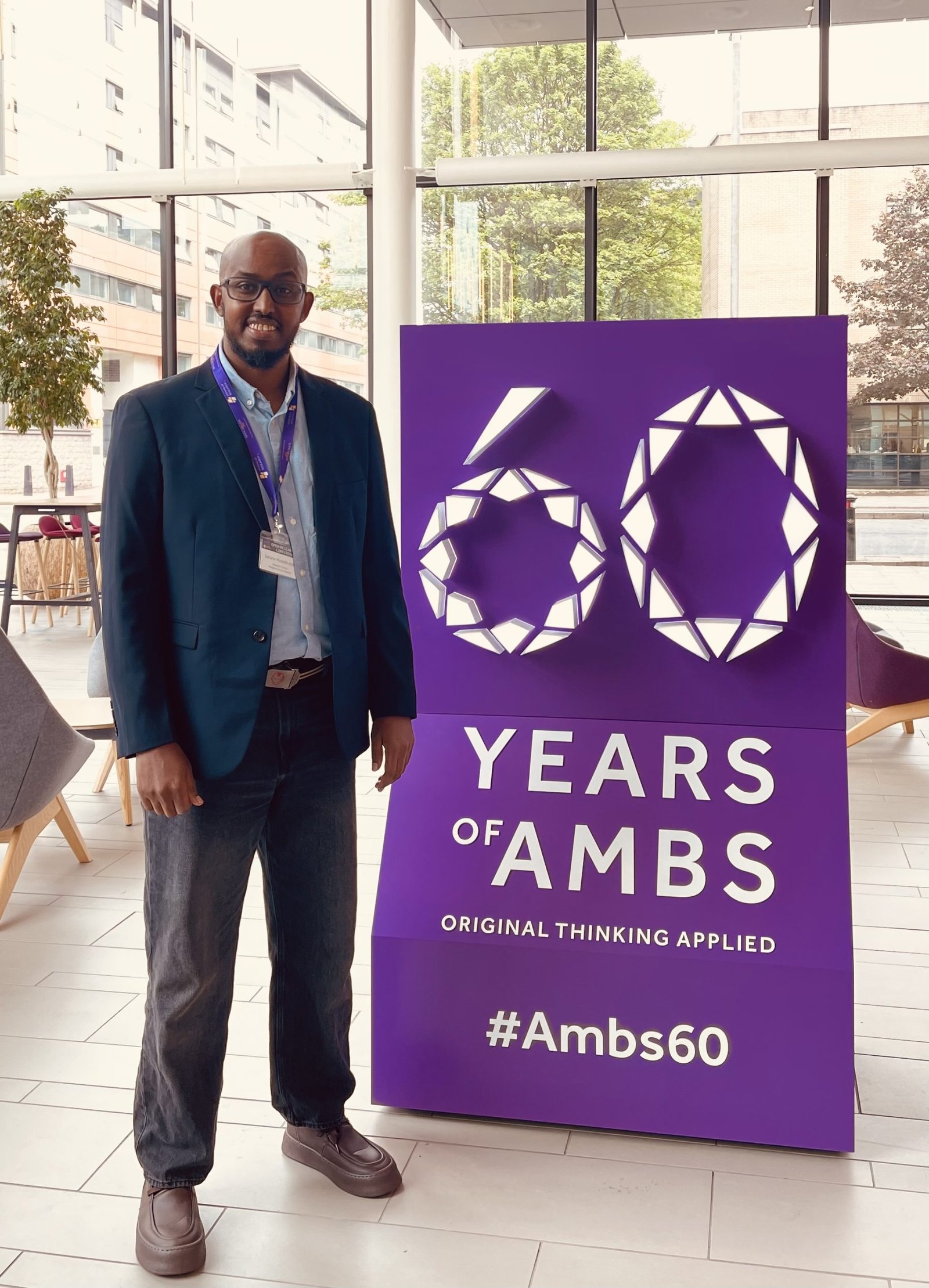
Sakarie Mustafe Hisig
🏢 RESEARCH CENTER HARGEISA GROUP HOSPITAL/ZHEJIANG UNIVERSITY SCHOOL OF MEDICINE
shohreh ghasemi
🏢 Faculty. Advisory Board
Mohd. Shahbaaz Khan
🏢 Harefield Hospital LondonWho Are the Surgery Mentors?
Every mentor on ScholarsColab already holds a PhD and works at a university or college, so they have been through admission, research, publishing and the PhD journey themselves, and now guide students through it. You can check each mentor's publications and where they were published on their individual profile on ScholarsColab before you book.
- PhD-qualifiedEvery mentor has completed a doctorate.
- University and college facultyThey teach, supervise and research at universities and colleges.
- Proven publication recordTheir published work is listed on their profile, so you can judge its quality yourself.
Research Areas of Our Surgery Mentors
2 of our Surgery mentors have their Google Scholar publications on ScholarsColab. Together they have published 190 papers between 2014 and 2026, cited 821 times in total according to Google Scholar. Their work returns again and again to Osteoporosis Increase Marginal, Neural Network Algorithms and Increase Marginal Bone.
Recurring research themes
- Osteoporosis Increase Marginal3 papers
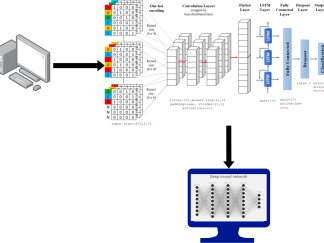
- Neural Network Algorithms4 papers
- Increase Marginal Bone3 papers
- Does Osteoporosis Increase3 papers
- Thread Lift3 papers
- Midwifery Students3 papers
Recent publications by our Surgery mentors
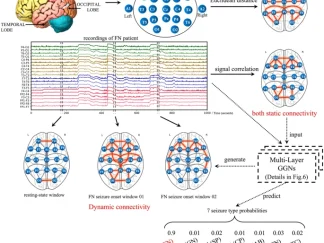
- Neuromodulators Past, Present, Future BTX Type A, Newer Type E, and Innovations on the Horizon
- Complications; Lid Ptosis, Asymmetry Upper and Lower Face with Neurotoxin
- Crow’s Feet: An In-Depth Exploration
- Thread Lift (Lower Third of the Face and Neck)
- Harnessing hybrid edge-fog computing framework for emergency medical response management
- Effectiveness and impact of intravenous magnesium sulfate in spinal surgery systematic review and meta-analysis
- Long-term Double-J stenting is superior to short-term Single-J stenting in kidney transplantation
- Advancing Therapeutic Strategies for Pancreatic Cancer: A Review of Surgical, Systemic and Diagnostic Innovations
Possible PhD research directions
Based on what our Surgery mentors have published, a PhD in Surgery with their guidance could explore:
- Osteoporosis Increase Marginal, especially where it meets increase marginal bone
- Neural Network Algorithms
- Increase Marginal Bone, especially where it meets does osteoporosis increase
- Does Osteoporosis Increase, especially where it meets osteoporosis increase marginal
These directions are drawn from published work and are a starting point, not fixed topics. Discuss which fits your interests in a first meeting with a mentor. Source: mentors' Google Scholar profiles on ScholarsColab, updated October 2026.
What You Can Discuss With a Surgery PhD Mentor
- Whether a PhD in Surgery fits your goals, and how it compares with other doctorate options
- Funding options: scholarships, fellowships and assistantships
- Choosing a research topic and writing your research proposal
- Approaching supervisors and preparing for PhD interviews
- Managing the PhD journey: milestones, publications and staying on track
- Careers after a PhD in Surgery: academia, industry and research roles
How Mentoring Works
Four simple steps, from choosing your mentor to talking it all through.
- Step 1
Choose a mentor
Browse Surgery PhD mentors and compare their profiles and publications.
- Step 2
Book a time
Pick a slot that suits you from the mentor's calendar.
- Step 3
Start with a short call
A 10-minute first meeting to see if the mentor is right for you.
- Step 4
Book a longer session
Schedule a full one-to-one online meeting for all your questions.
Talk to a Surgery PhD Mentor
Choose a mentor, book a time that suits you, and get clear answers in a one-to-one online session.
Find a Surgery MentorCheck meeting price
Use this short first call to explain your questions and see whether the mentor is the right fit. If it helps, you can then book and schedule a longer meeting with the same mentor.
Choose a Surgery mentorRelated Fields
Frequently Asked Questions
Who are the Surgery PhD mentors on ScholarsColab?
Every Surgery mentor holds a PhD and works at a university or college, with a track record of published research. You can check each mentor's publications, and where they were published, on their profile on ScholarsColab before you book.
What can I discuss with a Surgery PhD mentor?
Anything about your PhD journey: whether to do a PhD, choosing programs and supervisors, funding, your research proposal, applications and interviews, managing your research, and careers after the PhD.
How much does a meeting cost?
You start with an initial 10-minute meeting for ₹299 (INR). It lets you explain your questions and decide whether the mentor is right for you. If it is, you can book and schedule a longer meeting with the same mentor.